
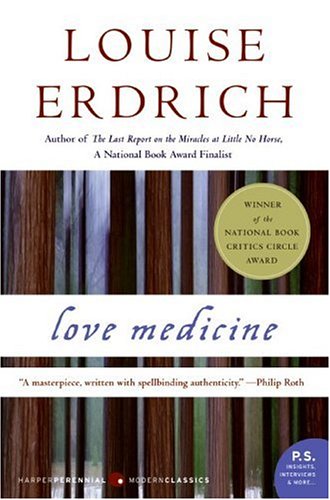
I have not read a lot of literature involving Native Americans and culture, but I did find Love Medicine and decided to read it. Published in 1984, Love Medicine tells the story of a group of Chippewa living on a reservation in North Dakota. Erdrich chronicles 60 years of the lives of these people.
She opens her novel with the passing of June Morrissey who freezes to death in a snow storm trying to get back to her family. The novel continues in a very conversational way, introducing us to various members of the family and reservation which is reminiscent of Native American culture wherein stories were spoken, not written. Erdrich richly paints the trials and difficulties of living on a reservation, revealing the alcoholism and abusive relationships that plague many of the people that live there.
With younger generations, Erdrich explores what it’s like to be an Euro-Indian, wherein the unfairness and often clear resentment of the US government is evident and explored.
What I found difficult of the book was keeping the relationships of the characters in order. There are many affairs and surprises of paternity that occur throughout the book, often times the characters themselves not even being aware of their true parental lineage. I had difficulty keeping it all straight, especially when trying to understand where alliances stood and why.
Score: 3/5
Book Information: Love Medicine by Louise Erdrich was originally published in 1984 with a revised edition having been released in May of 2009 by Harper Perennial with ISBN 978-0061787423.
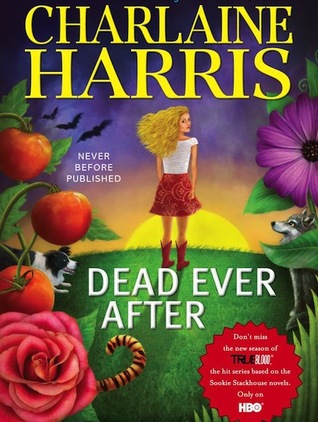

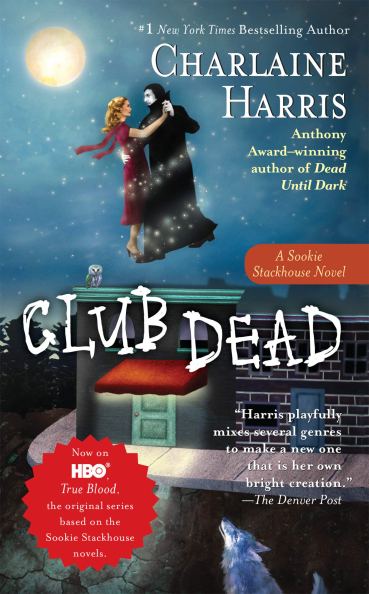 It is speculated that HBO’s True Blood creator, Alan Ball will follow some of what Harris created with Club Dead in the third season of True Blood that is set to begin airing this summer. This will be a great treat for many of the shows followers, especially those who are big fans of the Sookie Stackhouse/Eric Northman relationship.
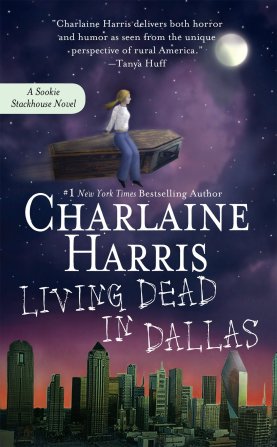 In
In 
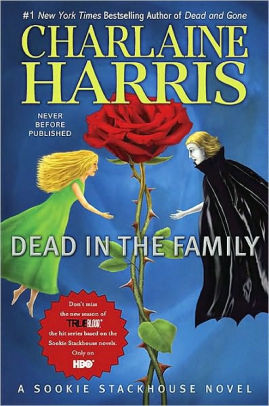 The latest installment of the Sookie Stackhouse series gives Eric Northman fans a completely different view of the Nordic vampire.
 There is nothing easy about writing historical fiction. Once a writer adds art into the mix, the project becomes something entirely different as many artists, especially those like Vincent Van Gogh are not so easily defined. Furthermore, having the ability to blend factual art historical information with the fiction a writer creates, is difficult and can often produce novels that are more of a creation as opposed to a well-researched, factual backdrop with a fictional story also added for entertainment.
